LEGO Motorbike 2904-1
LEGO Motorbike (2904-1) is worth about $12 on the secondary market today, against a $19 retail price. It has 11 pieces, belongs to the Action Wheelers theme and was released in 2000. This set has retired — LEGO no longer produces it, so supply is fixed and prices are set entirely by the resale marke
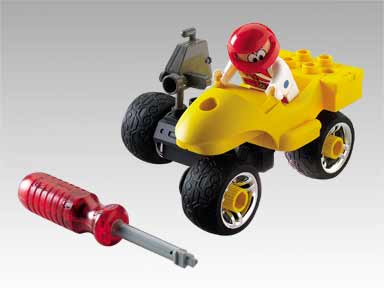
- Set number
- 2904-1
- Theme
- Action Wheelers
- Year
- 2000
- Pieces
- 11
- Minifigures
- 1
- RRP
- $19
- Market value
- $12
- Retirement
- Retired
Minifigures in LEGO Motorbike
What you are paying for
Its 1 priced minifigure is worth about $2 together, roughly 15% of the set's value — about typical for sets with minifigures (typically 24%).
Frequently asked questions
How much is LEGO Motorbike (2904-1) worth?
LEGO Motorbike is worth approximately $12 on the secondary market today, based on current listings and completed sales. BrickStats updates this value daily.
Is LEGO Motorbike retired?
Yes — Motorbike (2904-1) has been retired by LEGO and is no longer in production. Retired sets have fixed supply, which is why their prices are driven purely by the resale market.
Has LEGO Motorbike gone up in value?
Not currently. Motorbike launched at $19 and trades around $12 today, 39.5% below its retail price. The price history chart shows the full trend.
What is the price per piece for Motorbike?
At its $19 retail price across 11 pieces, Motorbike works out to about $1.727 per piece. Collectors often use price per piece to judge whether a set is good value.
Is LEGO Motorbike a good investment?
Motorbike currently trades 39.5% below its $19 retail price, and it is retired, so no new supply is entering the market. Past performance is not a prediction — condition, packaging and how long you hold all affect what a set actually sells for. BrickStats reports the numbers rather than giving investment advice.
Why is LEGO Motorbike so expensive?
Motorbike was released in 2000 and has since retired. Once LEGO stops producing a set, the only supply is what is already in circulation, so sealed copies in good condition compete for a shrinking pool of stock. That scarcity, not the parts, is what moves the price.